New Orleans Tour Guide License Exam Overview
The New Orleans tour guide license exam tests candidates on local regulations, licensing fees, operational rules, architectural identification, geographic facts, and historical dates․ It combines multiple-choice questions and map labeling, covering 40% rules,andgeography, 10% history, 20%andupdates․
Exam Structure, Content, and Weightage Breakdown
The exam is divided into four main sections, each weighted to reflect the importance of the subject matter for a competent tour guide․ The first section, comprising 40% of the total score, focuses on the city’s regulatory framework: licensing fees, renewal timelines, solicitation limits, voice‑amplifier rules, and the required end‑time for tours․
The second section, worth 20%, tests architectural knowledge; candidates must identify column types, distinguish gallery from balcony, and recognize common residential styles such as shotgun, double‑shotgun, camelback, neoclassical, and Creole cottage․
The third portion, accounting for 20% of the total, covers geographic data: the depth of the Mississippi at Algiers Point, the distance from New Orleans to the Gulf of Mexico, and the acreage of Lake Pontchartrain․
The final 20% is historical, requiring knowledge of key dates—settlement, exploration, major fires, statehood, and the Louisiana Purchase—alongside the ability to label points on a walking map, including the Royal Sonesta Hotel and Jean Lafitte Blacksmith Shop․

The exam format is multiple‑choice, with a small number of map‑labeling questions, and is administered under strict time limits․ Candidates must complete all sections within the allotted hours, and the final score is calculated by summing weighted percentages․
The test is offered twice yearly, in March and September at the City Hall auditorium․ Registration requires a fee a background check and proof of completed training modules for all pros․
Licensing Fee Structure
The initial license costs $150, with a $25 renewal fee every two years․ Applicants must submit a $10 application fee and a $5 background check fee․ Payment can be made online or in person at City Hall․ Late renewals incur a $15 surcharge․ Fees due online or at City Hall
Current Amounts and Renewal Process
Renewal for a New Orleans tour guide license is required every two years․ Applicants must submit a renewal application through the city’s online portal or in person at City Hall, updating contact information, background check, and evidence of professional development․ The renewal fee is payable at the time of submission, and the application must be filed no later than 30 days before the license’s expiration date․ Late submissions incur an additional surcharge and may trigger a temporary suspension of the license until the fee is paid and the application is processed․ The city processes renewal requests within 30 business days, after which a confirmation email is sent and the license is reissued for the next two‑year term․ Failure to renew within the allotted window results in revocation of the license and requires re‑examination before a new license can be issued․
Applicants must also submit a liability insurance and a brief statement of continuing education completed in the past years․ The renewal application is processed electronically; applicants receive a confirmation email containing a QR code that must be scanned to activate the new license․ If the renewal is not filed within the 30‑day grace period, the license is automatically suspended and the applicant must pay a late fee and may be required to retake the written exam․ The city’s licensing office maintains a database of all renewals, and any disciplinary actions are reviewed before the license is reissued․
By adhering to this renewal schedule, licensed guides ensure service to visitors and maintain compliance with city regulations, preserving the integrity of New Orleans’ tourism industry․ Thisaids tourism growth․
Operational Rules and Restrictions
Guides may not solicit on streets or tourist spots․ Voice amplifiers banned unless city approved․ Tours must finish by 10 pm weekdays and 11 pm weekends, or by sunset, to protect residents․ Guides must also follow noise limits and avoid late traffic․ All activities must comply with noise ordinances OK
Solicitation Policies, Voice Amplifier Use, and Tour Conclusion Timing
Guides must adhere strictly to solicitation restrictions․ No direct solicitation in residential streets, tourist hotspots, or public transit areas․ All promotional materials must be pre‑approved by the city’s licensing board․ Voice amplifiers are prohibited unless a special permit is granted; unapproved use results in immediate license revocation․ Tours must conclude by 10 pm on weekdays and 11 pm on weekends, or by sunset if the day is unusually bright․ Late‑night tours are allowed only with a written waiver from the mayor’s office․ The city’s noise ordinance caps decibel levels at 65 dB during daylight and 55 dB after dark; exceeding these limits triggers fines․ Guides should also avoid using loud music or amplified speech during the final 30 minutes to respect nearby residents․ All tours must finish within the designated time window to maintain community harmony․ Failure to comply can lead to suspension or revocation of the license, and repeat violations may result in a permanent ban․ Staying within these parameters ensures a professional, respectful experience for both visitors and locals․
Compliance is monitored through periodic audits and random spot checks․ Guides must keep a log of daily tours, including start and end times, route taken, and any incidents․ Failure to submit logs within 48 hours can trigger a warning․ Repeated non‑compliance may lead to a 30‑day suspension, and a single violation of the noise ordinance can result in a $200 fine․ Maintaining meticulous records demonstrates professionalism and safeguards the license․ Ok․
Conduct and Ethics Reference
Guides must uphold honesty, respect, and cultural sensitivity․ They should avoid false claims, maintain neutrality, and protect client privacy․ Ethical conduct includes accurate information, fair pricing, and no discriminatory behavior․ Conduct is monitored and violations are documented․!
Municipal Code Sections Governing Standards of Conduct
Guide conduct is codified in Chapter 5 of the New Orleans Municipal Code, specifically §§ 5‑3‑1 through 5‑3‑4․ Section 5‑3‑1 outlines the licensing prerequisites, while § 5‑3‑2 mandates truthful representation of historical facts and prohibits deceptive advertising․
Section 5‑3‑3 establishes disciplinary procedures for violations․ It requires a formal hearing, evidence submission, and allows the city to impose fines, suspension, or revocation․ The code also mandates that all disciplinary records be publicly accessible through the Department of Tourism․
Section 5‑3‑4 codifies ethical obligations, including respect for cultural heritage, avoidance of discriminatory language, and the duty to provide accurate, non‑misleading information․ It requires guides to complete annual ethics training and to submit a written statement affirming adherence to these standards․
For reference, the full text of the relevant municipal code can be accessed online through the City of New Orleans website or the Louisiana State Legislature portal․ The code is periodically updated; candidates should review the latest amendments before each exam cycle to ensure compliance with current standards․
Additionally, the code requires guides to maintain a log of all tours conducted, including dates, routes, and client feedback․ This log must be retained for a minimum of three years and made available for inspection by the licensing authority upon request․

Architectural Identification Requirements
Architectural identification tests cover columns, balconies, and building styles․ Candidates must recognize three column types, differentiate gallery from balcony, and identify shotgun, camelback, and Creole cottage designs․ Visual identification is keyall․
Columns, Balconies, and Building Style Recognition
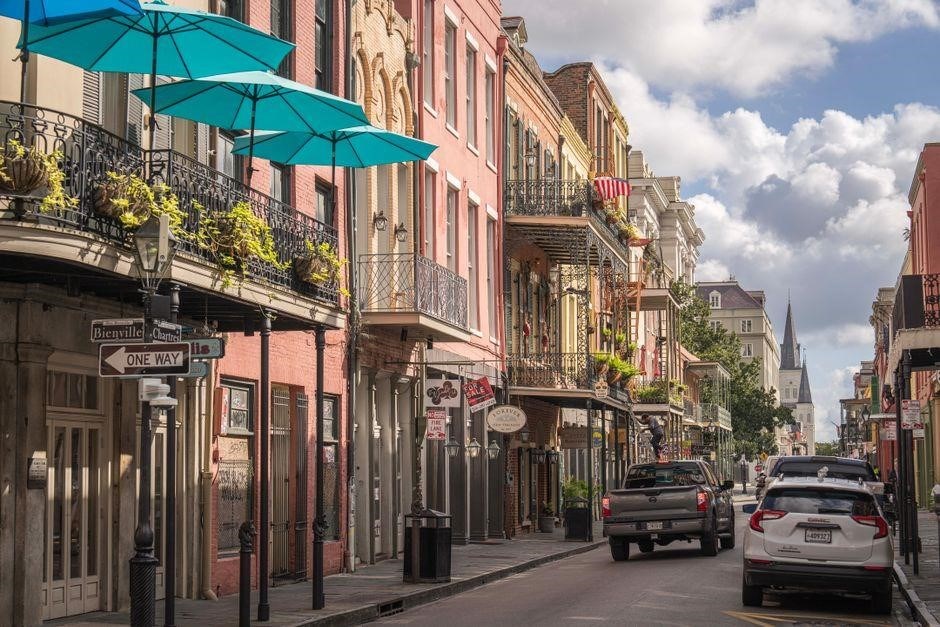
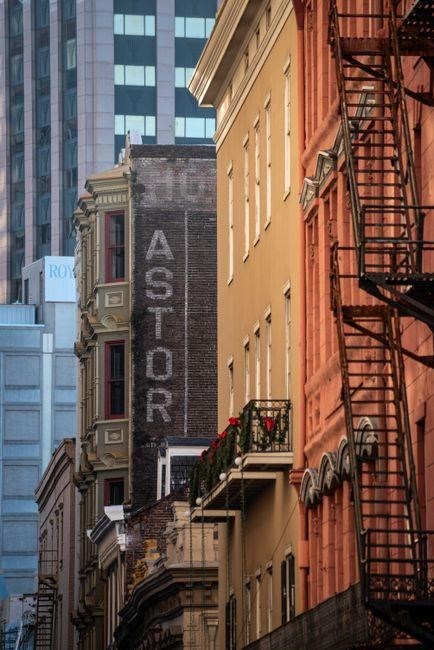
Architectural identification is a core component of the New Orleans tour guide license exam, accounting for 20% of the total score․ Candidates are required to demonstrate proficiency in recognizing and describing key architectural elements that define the city’s historic character․ The exam focuses on three primary column types—Doric, Ionic, and Corinthian—each with distinct proportions, capitals, and fluting patterns․ Test takers must identify these columns in photographs or on‑site examples, noting the subtle differences in shaft diameter and base design that distinguish one order from another․ In addition to column identification, the exam assesses knowledge of balcony styles, including the classic French balcony, the wrought‑iron balcony, and the recessed balcony that is common in Creole cottages․ Candidates must be able to explain the functional and aesthetic purposes of each balcony type, such as providing ventilation, offering a private outdoor space, or creating a visual rhythm along the façade․
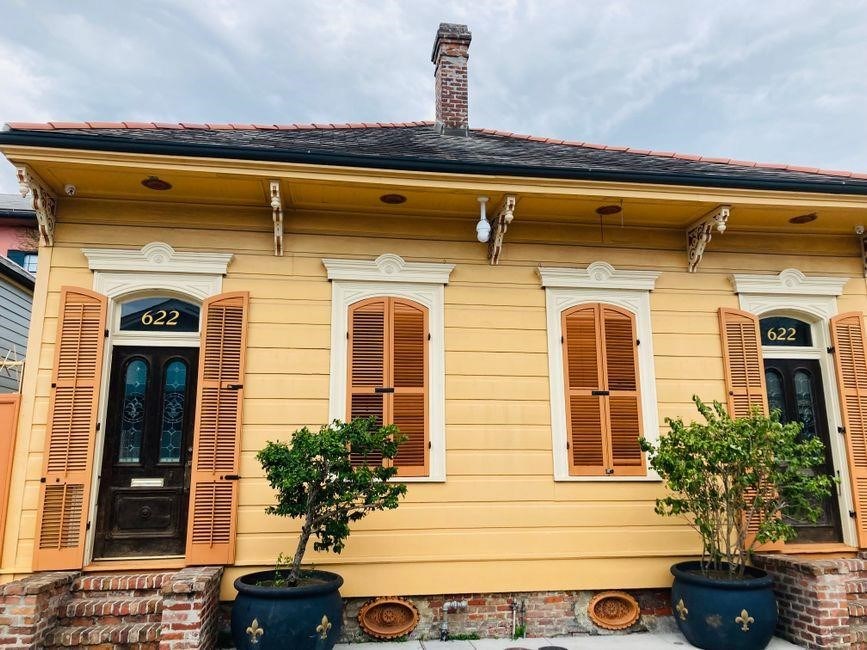
Building style recognition is equally critical․ The exam presents a series of images and architectural drawings that feature shotgun houses, double shotgun houses, camelback houses, neoclassical mansions, and Creole cottages; Test takers must correctly label each style, describing key characteristics such as the narrow, rectangular footprint of shotgun houses, the additional rear wing of double shotguns, the distinctive curved roofline of camelback houses, the symmetrical proportions of neoclassical structures, and the steep gable roofs and French doors of Creole cottages․ The ability to differentiate these styles is essential for guiding visitors through the city’s diverse neighborhoods and for providing accurate historical context․ Mastery of these architectural elements demonstrates a deep understanding of New Orleans’ built environment, which is a prerequisite for obtaining and maintaining a valid tour guide license․
The exam also tests roof styles like mansard and gambrel, and requires candidates to spot clapboard siding typical of many historic homes․ Mastery of these details helps guides explain how New Orleans’ architecture evolved from French colonial roots to modern adaptations for tourists!!
Geographic Knowledge Requirements
Exam tests depth of Mississippi at Algiers Point, distance upriver to Gulf, Lake Pontchartrain area, and key city landmarks․․ Candidates must name these facts accurately to demonstrate spatial awareness of New Orleans’ geography Know the exact river mile markers
Mississippi Depth at Algiers Point, Lake Pontchartrain Size, River Distance to Gulf
Algiers Point, located on the west bank of the Mississippi River just north of the city’s downtown, sits at a depth of approximately 30 feet (9 meters) where the river narrows into a tidal channel․ The depth varies with seasonal flow and tidal influence, but the average depth used for navigation charts is 30 feet․ Lake Pontchartrain, the largest estuary in the Gulf of Mexico, covers roughly 630 square miles (1,630 square kilometers)․ Its shoreline stretches about 300 miles, and the lake’s maximum depth is about 100 feet (30 meters) near the center, though most of the lake is relatively shallow, averaging 10–15 feet․ The distance from the mouth of the Mississippi River to the Gulf of Mexico is about 1,300 miles (2,100 kilometers) along the river’s meandering course․ However, the straight-line distance from New Orleans to the Gulf is approximately 90 miles (145 kilometers) across the water․ Tour guides must be able to explain these measurements and how they influence navigation, commerce, and local culture․erse ecosystems․ The river’s average discharge is approximately 600,000 cubic feet per second, making it one of the largest in the United States․ Lake Pontchartrain’s shoreline is dotted with historic levees and marshlands, and its waters are navigable by large vessels up to 1,200 feet in length․ Understanding these hydrological and ecological nuances is essential for guiding tours that highlight the city’s relationship with its waterways․

Historical Knowledge Requirements
Key dates: 1718 settlement, 1722 Iberville & Bienville exploration, 1788 Louisiana statehood, 1803 Louisiana Purchase, 1815 Great Fire, 1900 Fire, 1915 Hurricane, 1920s jazz boom, 1940s WWII, 1970s preservation movement․ and 1960s civil rights movement․
Key Dates: Settlement, Fire Events, Statehood, Louisiana Purchase
New Orleans’ founding traces back to 1718 when French explorers established the first permanent settlement on the Mississippi River․ The city’s early growth was shaped by the arrival of French colonists, Spanish governors, and later American settlers․ In 1722, explorers Pierre Le Moyne d’Iberville and Jean-Baptiste Le Moyne de Bienville charted the region, cementing its strategic importance․ The city’s first major conflagration occurred in 1815, a fire that devastated the French Quarter and prompted a comprehensive rebuilding effort․ A second, even more destructive blaze struck in 1900, destroying a large portion of the city and leading to widespread reconstruction and modernization․ Louisiana achieved statehood on April 30, 1812, becoming the 18th state of the United States․ The Louisiana Purchase, a monumental land deal between the United States and France, was finalized on April 30, 1803, doubling the size of the young nation and opening the Mississippi Valley to American expansion․ These pivotal dates form the backbone of New Orleans’ historical narrative and are essential knowledge for any licensed tour guide․ Additionally, the 1900 fire, known as the Great New Orleans Fire, destroyed 1,800 buildings, prompting city to adopt codes and․ The 1815 fire, which began in a warehouse on the Mississippi River, led to the reconstruction of the French Quarter with brick and stone façades․ These events shaped the city’s architectural heritage and urban planning․
Recent Exam Changes and Preparation Tips
Exam changes focus 40% rules, 20% architecture, plus geography and history․ Study municipal code, column types, shotgun and Creole styles, and key dates․ Map questions now include Royal Sonesta Hotel and Jean Lafitte Blacksmith Shop․ Practice walking maps now
Updated Process, Common Misconceptions, and Landmark Questions (Royal Sonesta Hotel, Jean Lafitte Blacksmith Shop)
Since the last revision, the exam now dedicates 40 % to rules and regulations, 20 % to architectural identification, 20 % to geography, and 20 % to historical dates․ Candidates often assume the Standards of Conduct section contains all rule details, but the municipal code is the definitive source․ The updated process requires a 30‑minute pre‑test briefing, a 45‑minute written portion, and a 30‑minute map‑labeling exercise․ Common misconceptions include believing the exam will ask for exact intersection coordinates; instead, it focuses on labeling key points on a walking map․ Another frequent error is underestimating the importance of the Royal Sonesta Hotel and Jean Lafitte Blacksmith Shop questions; these landmarks now appear in the map section, requiring recognition of their locations relative to the French Quarter․ Additionally, exam takers are encouraged to review code sections 5‑1‑2 and 5‑1‑3, which detail licensing fees, renewal timelines, and prohibited solicitation practices, ensuring compliance with statutes․ Geography questions now ask for the depth of the Mississippi at Algiers Point, the distance upriver to the Gulf, and the square‑mile area of Lake Pontchartrain․ Historical queries focus on settlement dates, exploration by Iberville and Bienville, major fires, statehood, and the Louisiana Purchase․ Preparation tips: review the municipal code, practice labeling maps with the two landmarks, and drill column and building style identification․ This approach aligns with the updated exam structure and addresses the most common misconceptions․