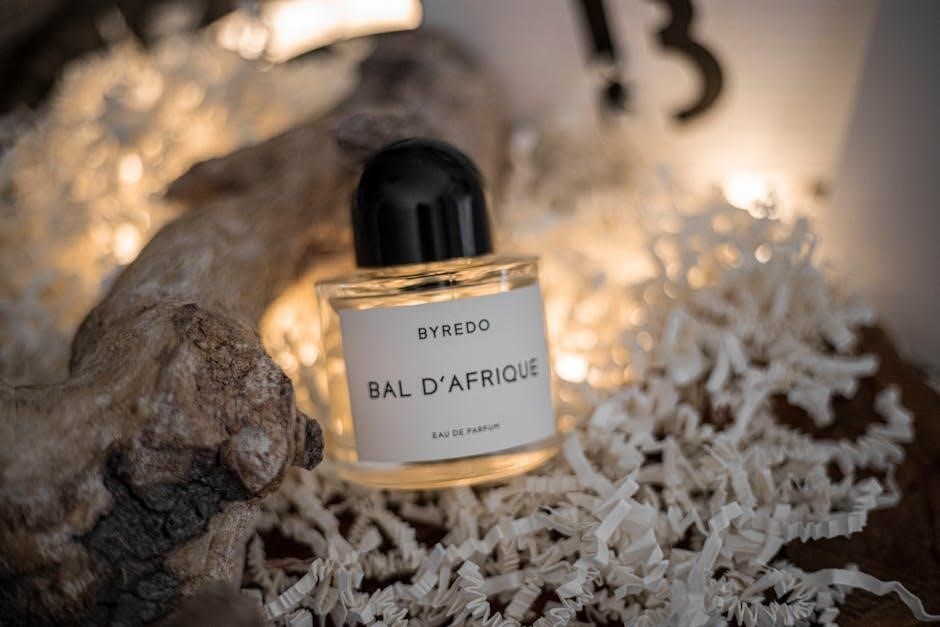
Perfume notes are the building blocks of any fragrance, carefully blended to create a unique olfactory experience, influencing how a scent unfolds over time.
The perfume pyramid – encompassing top, middle, and base notes – illustrates this evolution, showcasing the initial impression, heart, and lasting foundation of a perfume.
Understanding these notes is crucial for appreciating the artistry behind fragrance creation and selecting scents that resonate with individual preferences and occasions.

What are Perfume Notes?
Perfume notes represent the individual fragrance components that combine to form a complete scent profile. These aren’t necessarily single ingredients, but rather distinct olfactory impressions created by a blend of various materials – natural extracts, aroma chemicals, or essential oils.
Think of them as layers; each note possesses a unique evaporation rate, influencing when and how it’s perceived. Lighter notes evaporate quickly, providing the initial impression, while heavier notes linger, forming the lasting base.
Identifying perfume notes requires a trained nose, but appreciating their impact is accessible to everyone. A skilled perfumer, or ‘nose’, carefully selects and balances these notes to achieve a harmonious and captivating fragrance.
The interplay between notes determines a perfume’s complexity, character, and overall appeal, making each fragrance a unique artistic expression. Ultimately, understanding notes empowers you to navigate the world of scents with greater confidence and discernment.
The Perfume Pyramid: Top, Middle & Base
The perfume pyramid is a classic visual representation of a fragrance’s structure, illustrating how its scent evolves over time. It’s divided into three sections: top, middle (or heart), and base notes, each contributing to the overall olfactory experience.
Top notes, the initial impression, are light and volatile, lasting approximately 15-30 minutes. Middle notes emerge as the top notes fade, forming the heart of the fragrance and lasting 30 minutes to 4 hours.
Finally, base notes provide depth and longevity, anchoring the scent and lingering for 4+ hours. They blend with the middle notes, creating a lasting impression.
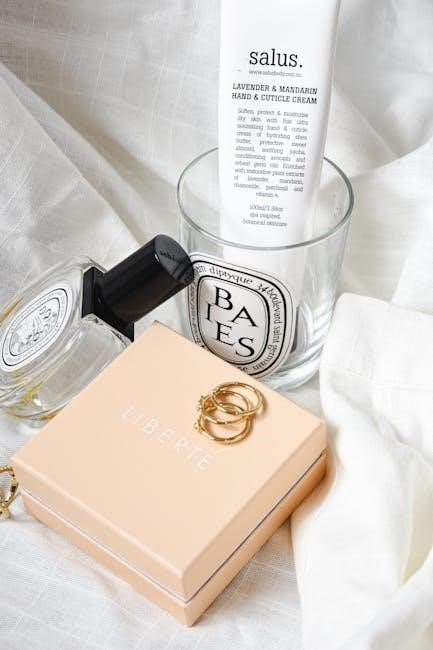
This pyramid isn’t rigid; notes can overlap and interact, creating a complex and dynamic scent journey. Understanding this structure helps appreciate the perfumer’s artistry and predict how a fragrance will unfold on your skin.

Top Notes – The First Impression (15-30 minutes)
Top notes deliver the initial, fleeting scent, grabbing attention with bright, light aromas that create the first impression of a fragrance.
Common Top Note Characteristics
Top notes are typically light and volatile, meaning they evaporate quickly – usually within 15 to 30 minutes. This characteristic makes them responsible for the immediate, initial impression a perfume gives.
Because of their fleeting nature, top notes are often fresh, bright, and sharp, designed to immediately capture attention. They don’t necessarily represent the overall character of the fragrance, but rather act as an inviting introduction.
These notes are usually inexpensive ingredients, as a large quantity is needed to create that initial burst of scent, without significantly impacting the overall cost of the perfume. Their primary function is to draw the wearer – and those nearby – in, encouraging further exploration of the fragrance’s deeper layers.
Think of them as a welcoming handshake, setting the stage for the more complex and enduring scents to follow. They are crucial for creating a positive first impression and piquing interest.
Popular Top Note Ingredients: Citrus Fruits
Citrus fruits – including lemon, bergamot, grapefruit, and orange – are exceptionally popular choices for top notes due to their bright, zesty, and uplifting aromas. They offer an immediate sense of freshness and cleanliness, making them incredibly versatile across various fragrance families.
Bergamot, in particular, is a staple in many perfumes, lending a slightly floral and spicy edge alongside its characteristic citrus tang. Lemon provides a sharp, invigorating burst, while orange offers a sweeter, more rounded citrus profile.
These ingredients are relatively inexpensive and blend well with other notes, enhancing their overall impact. Their volatility ensures a quick, impactful opening, creating an inviting and energetic first impression. They are frequently used to lighten heavier compositions.
Citrus notes are often associated with summer fragrances, but their versatility allows them to be incorporated into scents for all seasons.
Popular Top Note Ingredients: Fruity Notes (Pear, Cassis)
Fruity notes, such as pear and cassis (blackcurrant), contribute a juicy sweetness and vibrant character to a perfume’s initial impression. Anjou pear, celebrated for its light and fresh scent, often blends seamlessly with floral and green accords, creating a delicate and inviting opening.
Cassis, often derived from Crème de Cassis liqueur, offers a richer, darker fruitiness, adding depth and complexity. It’s not simply sweet; cassis possesses a slightly tart and jammy quality that distinguishes it from other fruit notes.
These fruity elements are valued for their ability to add a modern and playful touch to fragrances. They enhance the overall appeal, making scents more approachable and universally liked. Their lighter molecular weight ensures they dissipate relatively quickly, leaving room for the heart and base notes to develop.
They are often used to create gourmand or youthful fragrances.
Middle Notes – The Heart of the Fragrance (30 minutes ⎻ 4 hours)
Middle notes form the core of a perfume, emerging after the top notes fade, and delivering the fragrance’s main theme and character.
Role of Middle Notes in Perfume Composition
Middle notes, also known as heart notes, are pivotal in defining a perfume’s personality and overall character. They emerge as the initial, fleeting top notes dissipate, typically after about 30 minutes, and last for several hours – often up to four. These notes bridge the gap between the fresh, vibrant first impression and the rich, enduring base.
Their role extends beyond simply filling the space between; they are the central theme of the fragrance, providing depth and complexity. Perfumers skillfully blend middle notes to create a harmonious and captivating experience. They often feature floral, spicy, or fruity accords, adding warmth and fullness to the composition. The careful selection and balance of these notes are crucial for a perfume’s longevity and memorability, influencing how it evolves on the skin and how it’s ultimately perceived.
Floral Middle Notes: Rose & Jasmine
Rose and jasmine are quintessential floral middle notes, celebrated for their opulent and intoxicating aromas. Rose, with its diverse range of facets – from delicate tea rose to rich Damask – lends a romantic and timeless quality to fragrances. It’s often described as velvety, powdery, and subtly fruity, adding a touch of elegance and sophistication.
Jasmine, conversely, offers a more indolic and exotic floralcy. Its heady scent is intensely sweet, slightly animalic, and incredibly diffusive, creating a captivating and sensual heart. Both notes are incredibly versatile, blending beautifully with various other accords, from fruity and spicy to woody and oriental. They contribute significantly to a perfume’s depth and complexity, making them cornerstones of countless iconic fragrances, and are often considered expensive perfume ingredients.
Spicy Middle Notes: Cinnamon & Clove
Cinnamon and clove introduce warmth and intrigue as spicy middle notes, adding a captivating dimension to perfume compositions. Cinnamon, beyond its culinary association, offers a sweet, woody, and slightly balsamic aroma, evoking feelings of comfort and sensuality. It blends seamlessly with oriental and gourmand accords, enhancing their richness and depth.
Clove, possessing a more pungent and intensely aromatic profile, contributes a spicy, warm, and slightly medicinal facet. Its powerful scent adds complexity and a touch of exoticism, often used to create a captivating contrast with softer floral or fruity notes. These spices aren’t merely additions; they elevate a fragrance, making it memorable and adding a layer of sophistication, even for those who already know their favorite scent type.
Base Notes – The Foundation & Longevity (4+ hours)
Base notes form the perfume’s lasting impression, providing depth and anchoring the fragrance for four or more hours, creating a rich foundation.
Importance of Base Notes for Fragrance Depth
Base notes are absolutely critical for establishing a perfume’s overall character and longevity; they aren’t merely an afterthought in the fragrance composition process.
These heavier, richer molecules possess a low volatility, meaning they evaporate slowly, lingering on the skin long after the initial, brighter notes have faded.
This slow release is what provides the enduring foundation of the scent, anchoring the lighter top and middle notes and preventing the fragrance from feeling fleeting or incomplete.
Without robust base notes, a perfume can lack depth and complexity, smelling thin or artificial.

They contribute significantly to the perfume’s ‘body’ and create a sense of warmth and sensuality, rounding out the overall olfactory experience.
Think of them as the silent support system, allowing the other notes to shine while providing a lasting, memorable impression.
Woody Base Notes: Sandalwood & Cedarwood
Sandalwood and cedarwood are quintessential woody base notes, renowned for their warm, comforting, and grounding qualities in perfumery. Sandalwood offers a creamy, subtly sweet aroma, often described as milky and exotic, lending a luxurious feel to fragrances.
Cedarwood, conversely, presents a drier, more bracing scent, evoking images of forests and providing a clean, sophisticated edge.
Both woods blend exceptionally well with other base notes like musk and amber, enhancing their depth and creating a harmonious foundation.

They impart a sense of stability and longevity to a perfume, making them popular choices for both masculine and feminine compositions.
These notes are often used to create a sense of warmth and sophistication, adding a touch of timeless elegance to any fragrance.
Musk & Amber: Classic Base Note Families
Musk and amber represent foundational base note families, historically prized for their fixative properties and sensual undertones. Traditionally derived from animal sources, modern musk is ethically created synthetically, offering a soft, skin-like warmth and enhancing other notes.
Amber, often a blend of labdanum, vanilla, and patchouli, isn’t a single ingredient but a warm, resinous accord. It provides a sweet, powdery, and slightly balsamic aroma, adding depth and complexity.
These notes contribute significantly to a fragrance’s longevity and sillage, creating a lasting impression.
They are frequently used to add a touch of sophistication and sensuality, grounding the composition and creating a comforting aura.
Both musk and amber are versatile, complementing floral, woody, and oriental fragrance families beautifully.

Understanding Fragrance Families
Fragrance families – floral, oriental/amber, and woody – categorize perfumes based on dominant scent characteristics, aiding in selection and appreciation of diverse aromatic profiles.

Floral Fragrances
Floral fragrances are arguably the most popular and widely recognized perfume family, celebrated for their romantic, feminine, and often delicate aromas. This category encompasses a vast spectrum, ranging from single floral scents – like rose or jasmine – to complex bouquets blending multiple blossoms.
The appeal lies in their versatility; florals can be light and airy, perfect for spring and summer, or richer and more opulent, suitable for evening wear. Key floral notes include rose, jasmine, lily of the valley, tuberose, and ylang-ylang, each contributing a unique facet to the overall composition.
Floral perfumes often feature supporting notes that enhance their beauty, such as fruity accents, green nuances, or powdery undertones. They frequently form the ‘heart’ of many perfumes, providing a central, recognizable character.
Oriental/Amber Fragrances
Oriental/Amber fragrances, often described as warm, sensual, and exotic, represent a rich and captivating perfume family. These scents traditionally feature a blend of spices, resins, and sweet notes, creating a luxurious and often intoxicating aroma. Amber, though not derived from actual amber, is a key accord – a warm, resinous blend of labdanum, benzoin, and vanilla.
Common ingredients include vanilla, tonka bean, spices like cinnamon and clove, and floral elements like jasmine and rose. They often possess a powdery or balsamic quality, lending depth and longevity to the fragrance.
Modern interpretations may lean towards a fresher, lighter amber, but the core characteristics of warmth and sensuality remain. These fragrances are particularly well-suited for cooler weather and evening occasions.
Woody Fragrances
Woody fragrances evoke a sense of grounding, sophistication, and natural warmth. They are characterized by the use of wood accords, often derived from cedarwood, sandalwood, vetiver, and patchouli. These scents offer a versatile appeal, ranging from dry and smoky to creamy and smooth, making them popular for both men and women.
Cedarwood provides a pencil-shaving-like dryness, while sandalwood offers a creamy, milky sweetness. Vetiver contributes an earthy, rooty aroma, and patchouli adds a dark, slightly camphoraceous note. Woody fragrances often serve as a base for other scent families, providing structure and longevity.
They blend beautifully with citrus, floral, and spicy notes, creating complex and balanced compositions, ideal for all seasons.
The Influence of Season & Climate
Seasonal changes and climate significantly impact perfume performance; warmer temperatures accelerate evaporation, while colder weather enhances longevity and depth of scent profiles.
Perfume Performance in Cold Weather
Cold weather dramatically alters how perfumes behave, creating a richer and more enveloping experience for the wearer. Lower temperatures reduce the rate of evaporation, meaning fragrance molecules linger in the air for a considerably longer duration. This allows the base notes – the deepest and most tenacious elements of a perfume – to truly shine and develop fully on the skin.
Specifically, woody, amber, and musky base notes become particularly prominent, offering a warm and comforting sensation. Heavier, more concentrated fragrances, such as orientals and gourmands, are exceptionally well-suited for colder months. The cooler air seems to ‘hold’ onto the scent, projecting it more subtly but with increased longevity. It’s a perfect environment for fragrances designed to create a cozy and intimate aura, offering a welcome respite from the chill.
Perfume Performance in Warm Weather
Warm weather significantly impacts perfume performance, accelerating the evaporation of fragrance molecules. This means lighter notes, particularly the bright and zesty top notes, are more readily perceived initially, but the overall longevity of the scent is often reduced. Citrus, fruity, and floral fragrances tend to thrive in warmer climates, offering a refreshing and uplifting aroma that complements the season.
However, heavier, more concentrated perfumes can become overwhelming in the heat, projecting too strongly and potentially smelling cloying. It’s advisable to opt for lighter formulations like Eau de Cologne or Eau de Toilette, and to apply perfume strategically – pulse points are still effective, but avoid over-application. Reapplication throughout the day may be necessary to maintain the scent’s presence, embracing the ephemeral nature of fragrance in the sun.
The Growing Perfume Market in India
India’s perfume market is rapidly expanding, blending traditional scents with modern preferences, particularly in metropolitan areas, creating a dynamic and evolving fragrance landscape.
Changing Trends in Indian Perfume Preferences
Historically, Indian fragrance preferences leaned towards strong, traditional scents like rose, jasmine, and sandalwood, often rooted in cultural and religious practices. However, a significant shift is underway, driven by increased exposure to global trends and a younger, more experimental demographic.
Modern Indian consumers are increasingly seeking diverse fragrance profiles, including fruity, spicy, and woody notes, mirroring international tastes. This evolution is fueled by rising disposable incomes, greater travel, and the influence of social media.
The demand for lighter, more contemporary scents is growing, particularly among urban populations. Perfumes that blend tradition with a fresh touch are gaining popularity, offering a balance between familiarity and novelty, especially during festive occasions like Eid.
Furthermore, there’s a growing appreciation for understanding fragrance composition – top, middle, and base notes – allowing consumers to make more informed choices and discover scents that truly resonate with their individual style and personality.