BMW E46 Manual Transmission: A Comprehensive Guide
Navigating the world of the BMW E46’s manual transmission requires understanding its intricacies, potential issues, and proper maintenance procedures for optimal performance and longevity.
Reports indicate issues like slipping, hard shifts, and even complete transmission failure, often linked to fluid levels, solenoids, or temperature-related slipping.
Successful repairs, such as replacing the TCC solenoid and performing fluid changes with Mobil 1 ATF, have restored transmission function, resolving limp mode scenarios.
The BMW E46, produced from 1998 to 2006, offered enthusiasts a rewarding driving experience, particularly when equipped with a manual transmission. This gearbox became synonymous with driver engagement and a direct connection to the vehicle’s performance. However, like any mechanical component, the E46’s manual transmission is subject to wear and potential issues over time.
Understanding the nuances of this transmission is crucial for owners seeking to maintain its functionality and address any arising problems. Reports suggest that issues can manifest as difficulty shifting, grinding gears, or even complete transmission failure. These symptoms often stem from low fluid levels, worn internal components, or issues with the clutch system.
This guide aims to provide a comprehensive overview of the E46 manual transmission, covering common models, identification methods, potential problems, maintenance procedures, and troubleshooting steps. By delving into these aspects, owners can proactively care for their transmission and ensure continued driving enjoyment. Addressing issues promptly, as seen in successful repairs involving TCC solenoids and fluid changes, can prevent more extensive and costly repairs down the line.
Common E46 Manual Transmission Models (Getrag)
BMW E46 models featuring a manual transmission predominantly utilized gearboxes manufactured by Getrag, a renowned transmission specialist. The most frequently encountered models include the Getrag 220, found in earlier E46s with lower horsepower engines, and the more robust Getrag 235, typically paired with higher-performance variants like the 330i.
The Getrag 220 is known for its relatively compact size and lighter weight, making it suitable for engines producing less torque. Conversely, the Getrag 235 boasts stronger internal components, capable of handling the increased power output of larger engines. Identifying which transmission is installed in your E46 is vital for sourcing the correct parts and understanding its specific limitations.
While both transmissions offer a satisfying driving experience, the Getrag 235 is often preferred by enthusiasts seeking a more durable and capable gearbox. Understanding these distinctions allows owners to make informed decisions regarding maintenance, repairs, and potential upgrades, ensuring optimal performance and longevity of their E46’s manual transmission.
Identifying Your E46 Transmission Type
Determining your BMW E46’s specific manual transmission model – Getrag 220 or 235 – is crucial for accurate maintenance and repair. The most reliable method involves locating the transmission housing and deciphering the stamped identification number. This number is typically found on a metal tag affixed to the transmission casing itself.
Alternatively, you can utilize your vehicle’s Vehicle Identification Number (VIN) and consult a BMW parts database or online decoder. These resources correlate the VIN with the original factory specifications, revealing the installed transmission model. Online E46 enthusiast forums, like E46Fanatics, also offer VIN decoding services and guidance.
Knowing your transmission type allows you to source the correct fluids, parts, and repair information. Misidentifying the transmission can lead to compatibility issues and potentially damage the gearbox. Accurate identification ensures you’re equipped with the knowledge to properly care for your E46’s manual transmission.

E46 Manual Transmission Problems & Symptoms
Common issues include difficulty shifting, grinding gears, clutch slippage, and unusual noises like whining or clunking, potentially indicating internal wear or fluid deficiencies.
Difficulty Shifting Gears
Experiencing trouble selecting gears in your E46’s manual transmission can manifest in several ways, ranging from a general stiffness to complete inability to engage a specific gear. This often presents as a struggle, particularly when moving uphill, where the engine strains without a corresponding gear change.
One potential cause is low manual transmission fluid (MTF), impacting the synchronizers’ ability to smoothly mesh gears. However, difficulty shifting can also signal internal wear within the transmission itself, such as worn synchronizers or shift forks. Hard shifting, especially between 2nd and 3rd gear, as reported in some cases, suggests potential valve body issues or internal component damage.
It’s crucial to differentiate between normal mechanical resistance and genuine difficulty. A slightly notchy feel is typical, but forcing the shifter should be avoided. Persistent issues warrant investigation, as ignoring them can lead to further damage and costly repairs. Thoroughly inspecting the MTF level and condition is a good starting point.
Grinding Gears
Hearing a grinding noise when attempting to shift gears in your BMW E46’s manual transmission is a clear indication of a synchronization problem. This occurs when the gear speeds don’t match during the shift attempt, causing the gears to clash. It’s a symptom that shouldn’t be ignored, as continued grinding accelerates wear on the gears and synchronizers.
Often, grinding is most noticeable when shifting into reverse, as reverse gear typically lacks a synchronizer in many E46 transmissions. However, grinding in other gears points to worn synchronizers, low or degraded MTF, or a misadjusted clutch. A failing clutch can prevent complete disengagement, contributing to gear clash.
Double-clutching – briefly depressing the clutch, shifting to neutral, releasing the clutch, then depressing it again before selecting the desired gear – can sometimes mitigate grinding, but it’s a temporary fix. Addressing the root cause, through fluid changes or component replacement, is essential for long-term reliability.
Clutch Issues: Slipping and Engagement
Problems with the clutch are frequently reported with the BMW E46 manual transmission, manifesting as either slipping or engagement difficulties. Clutch slippage occurs when the clutch disc isn’t fully clamping against the flywheel, resulting in engine RPM increasing without a corresponding increase in vehicle speed. This is often noticeable under load, like uphill driving.
Poor engagement can present as a sticky pedal, difficulty getting into gear, or a clutch that engages very high in the pedal travel. These issues can stem from a worn clutch disc, a failing pressure plate, a hydraulic problem in the clutch system, or air in the lines.
Inspect the clutch fluid level and bleed the system if necessary. A worn clutch will eventually require replacement, and addressing issues promptly prevents further damage to the flywheel and other transmission components.

Transmission Noises (Whining, Clunking)
Unusual noises emanating from the E46 manual transmission are strong indicators of underlying problems requiring immediate attention. A whining sound often suggests worn bearings within the transmission itself, potentially exacerbated by low or degraded manual transmission fluid (MTF). This noise typically increases with vehicle speed.
Clunking sounds, particularly noticeable during gear changes or when shifting from park to reverse, can point to worn or damaged synchronizers, or excessive play in the differential. Reports detail a thud when shifting into reverse, suggesting internal wear.
Ignoring these noises can lead to catastrophic failure. Thorough inspection, fluid analysis, and potentially a transmission rebuild are necessary to diagnose and rectify the source of the unwanted sounds, ensuring continued reliable operation.
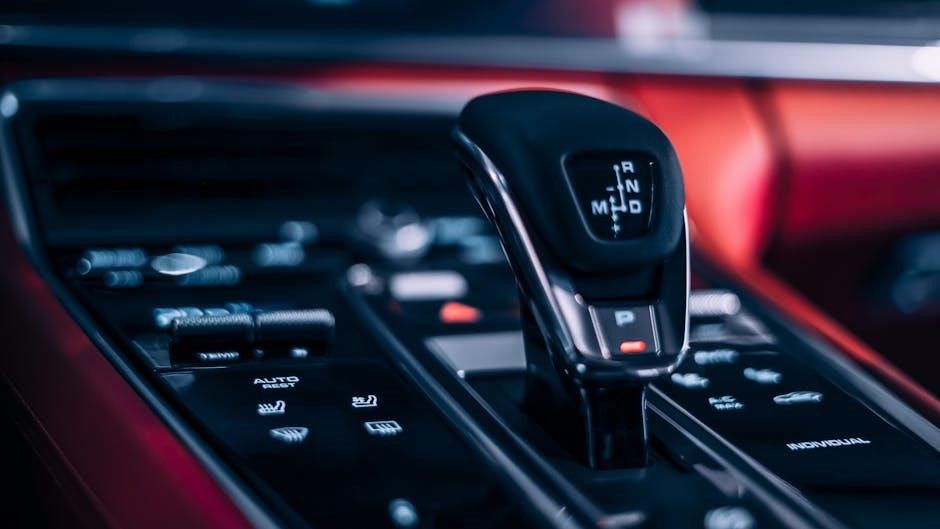
E46 Manual Transmission Maintenance
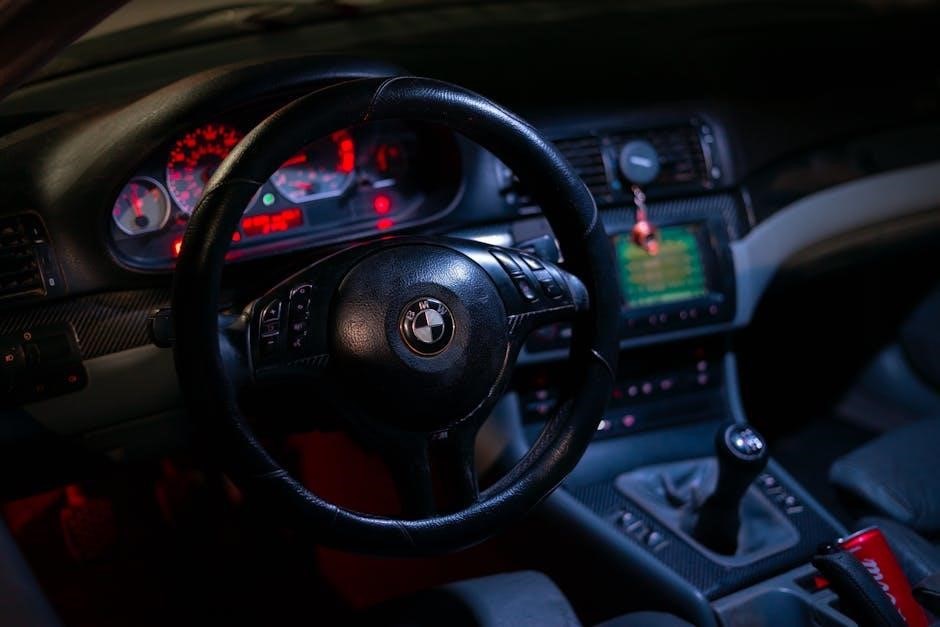
Proactive maintenance, including regular MTF changes with fluids like Mobil 1, and diligent clutch inspection, are crucial for extending the lifespan of your E46’s manual gearbox.
Manual Transmission Fluid (MTF) – Types and Recommendations
Selecting the correct Manual Transmission Fluid (MTF) is paramount for the longevity and smooth operation of your E46’s gearbox. BMW originally specified a specific MTF, but over time, alternatives have emerged with varying degrees of suitability. Many E46 owners have reported positive experiences using Redline MT-90, a fully synthetic GL-4 gear oil known for its excellent shear stability and protection against wear.
However, it’s crucial to avoid GL-5 fluids, as they contain additives that can corrode the brass synchronizers commonly found in the E46 transmission. Mobil 1 synthetic ATF was successfully used in a valve body replacement, alongside a new filter, demonstrating its compatibility in certain scenarios. When choosing an MTF, prioritize a GL-4 specification and consider the climate you operate in; some fluids perform better in colder temperatures than others. Regularly checking and topping off the fluid level is also essential, ensuring optimal lubrication and preventing premature wear.
MTF Change Procedure: Step-by-Step Guide
Performing a manual transmission fluid (MTF) change on your E46 is a relatively straightforward process that can significantly improve shifting performance. Begin by warming up the transmission with a short drive. Locate the fill and drain plugs on the transmission housing – typically requiring specific socket sizes. Position a drain pan beneath the drain plug and carefully remove it, allowing the old fluid to drain completely.
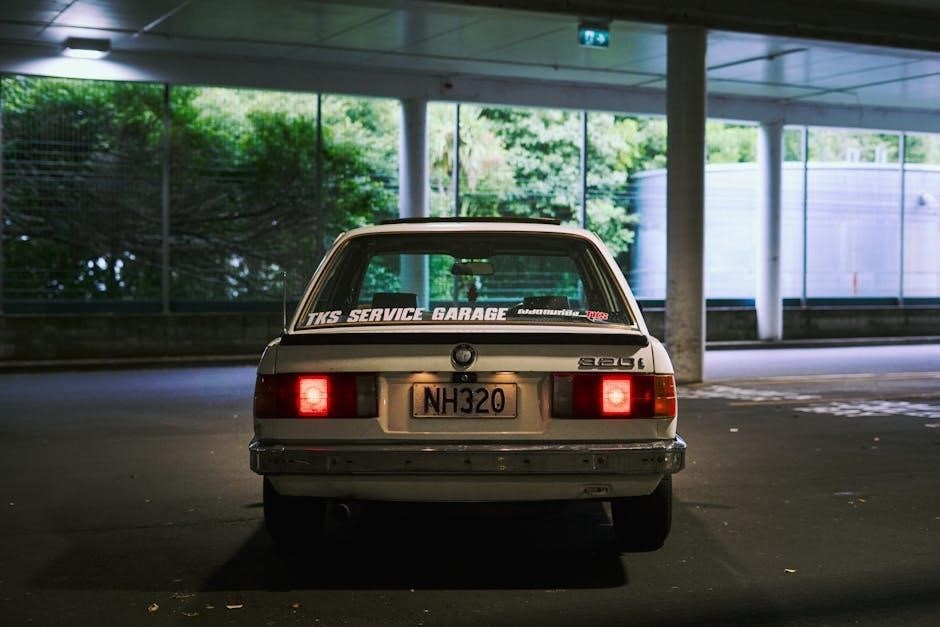
Once drained, reinstall the drain plug with a new crush washer, torquing it to the manufacturer’s specification. Using a pump or fluid transfer system, slowly fill the transmission with the recommended MTF through the fill plug until fluid begins to trickle out. Reinstall the fill plug, again torquing to spec. Finally, verify the fluid level by checking for leakage and taking the car for a test drive, monitoring for any unusual noises or shifting issues.
Clutch Wear Inspection and Replacement
Regularly inspecting your E46’s clutch is crucial for maintaining optimal performance and preventing unexpected failures. Signs of wear include slippage, difficulty engaging gears, and a high clutch pedal. Inspection involves visually assessing the clutch disc’s friction material for thickness – less than 2mm generally indicates replacement is needed.
Replacing the clutch is a more involved process, typically requiring removal of the transmission. It’s recommended to replace the clutch disc, pressure plate, and throw-out bearing as a set. Ensure proper alignment during installation using a clutch alignment tool. Thoroughly bleed the hydraulic clutch system after reassembly to guarantee smooth operation. Consider replacing the pilot bearing as well, as it’s a common failure point.

Troubleshooting E46 Manual Transmission Issues
Diagnosing problems requires a systematic approach, checking for gear selection difficulties, clutch pedal feel, and identifying any transmission fluid leaks for effective resolution.
Diagnosing Gear Selection Problems
Initial assessment of gear selection issues should focus on identifying when the problem occurs – consistently across all gears, or only in specific ones. Difficulty engaging a gear, particularly reverse, often points towards low transmission fluid or internal wear within the transmission itself. A noticeable “thud” when shifting into reverse, as reported by some E46 owners, can indicate worn or damaged synchronizers or a valve body issue.
Carefully examine the shift linkage for any looseness or damage, as this can prevent complete gear engagement. Inspect the clutch pedal for proper travel and feel; a spongy or unresponsive pedal can mimic gear selection problems. Furthermore, consider if the issue arises only when the transmission is at a certain temperature, suggesting a temperature-sensitive component failure. Utilizing diagnostic tools to check for transmission-related fault codes is crucial, as these codes can pinpoint the source of the problem, potentially leading to a failing TCC solenoid or other internal component.
Addressing Clutch Pedal Feel Issues
A compromised clutch pedal feel in the E46 manual transmission can manifest as sponginess, excessive travel, or a lack of responsiveness, signaling potential problems within the hydraulic system or the clutch itself. Begin by inspecting the clutch master and slave cylinders for leaks, as fluid loss directly impacts pedal feel. Air trapped within the hydraulic lines is a common culprit, necessitating a thorough bleeding procedure to restore proper pressure.
Examine the clutch line for any kinks or damage that could restrict fluid flow. If the pedal feel remains abnormal after addressing the hydraulics, suspect internal clutch wear – the pressure plate, diaphragm spring, or friction disc may be nearing the end of their service life. A slipping clutch, often accompanied by high engine RPMs with minimal acceleration, confirms this suspicion. Proper diagnosis requires a careful assessment of the entire clutch system, ensuring accurate repair and optimal performance.
Identifying and Resolving Transmission Leaks
Transmission fluid leaks in the BMW E46’s manual gearbox are a serious concern, leading to low fluid levels, impaired lubrication, and ultimately, transmission damage. Pinpointing the leak’s source is crucial; common areas include the input and output shaft seals, the selector shaft seal, and the rear main seal. Inspect these areas meticulously for visible fluid traces.
Often, leaks present as drips beneath the transmission or noticeable fluid accumulation around the components. Once identified, the leaking seal or gasket must be replaced. Ensure the correct type of manual transmission fluid (MTF) is used during the refill process – using the wrong fluid can exacerbate issues. Thoroughly clean the surrounding area before installing new seals to prevent contamination. Regular inspection and prompt leak repair are vital for maintaining transmission health and preventing costly rebuilds.

E46 Manual Transmission Repair & Rebuild
Addressing significant wear requires replacing common items like seals and potentially rebuilding the transmission, including valve body repairs, demanding careful consideration of associated costs and complexity.
Common Wear Items and Replacement
Several components within the E46 manual transmission are prone to wear and require periodic inspection and eventual replacement to maintain optimal functionality. Clutch components, including the disc, pressure plate, and throw-out bearing, are primary wear items, exhibiting slippage or difficulty engaging over time. Synchronizers, responsible for smooth gear changes, can become worn, leading to grinding during shifts.
Transmission fluid seals, such as the rear main seal and input/output shaft seals, are susceptible to leaks as they age and lose elasticity. These leaks can lead to fluid loss and potential transmission damage. Shift linkage bushings also wear, contributing to sloppy gear selection. Addressing these issues proactively prevents more extensive and costly repairs. Replacement parts are readily available from various suppliers, and DIY repairs are feasible for experienced mechanics, though specialized tools may be required for certain procedures.
Valve Body Issues and Repair (If Applicable — some models)
While less common in purely manual E46 transmissions, certain models incorporating electronically assisted features may experience valve body related issues impacting shift quality. These problems often manifest as harsh or delayed shifts, or the transmission entering limp mode. A frequently cited repair involves the Torque Converter Clutch (TCC) solenoid, prone to failure and causing engagement problems.
Diagnosis typically requires scanning for relevant fault codes. Repair often entails removing the valve body, inspecting for debris or damaged solenoids, and replacing faulty components. A complete valve body rebuild is sometimes necessary, involving replacing all solenoids, seals, and filters. Thorough cleaning and proper reinstallation are crucial. Utilizing the correct Automatic Transmission Fluid (ATF), like Mobil 1 full synthetic, during reassembly is vital for optimal performance and longevity.
Transmission Rebuild Considerations & Costs
A complete E46 manual transmission rebuild is a significant undertaking, typically reserved for cases of extensive internal damage or wear. Considerations include sourcing a rebuild kit containing new synchronizers, bearings, seals, and potentially gears. Thorough inspection of all components is crucial, identifying worn or damaged parts needing replacement. Specialized tools are often required for disassembly, inspection, and reassembly.
Costs can vary widely depending on the extent of damage and labor rates. A basic rebuild, utilizing a kit and addressing common wear items, might range from $800 to $1500 for parts alone. Professional labor can add another $500 to $1200, bringing the total to $1300 ౼ $2700. More extensive damage, requiring gear replacement or case repairs, will substantially increase costs. Weighing the rebuild cost against the price of a used or remanufactured transmission is advisable.

Resources for E46 Manual Transmission Information
For dedicated E46 enthusiasts, online forums like E46 Fanatics provide invaluable community knowledge and technical discussions regarding transmission issues and solutions.
Pelican Parts offers detailed technical articles and DIY guides, assisting with maintenance and repair procedures for the E46’s manual gearbox.
E46 Fanatics Forums
E46 Fanatics forums represent a vibrant and incredibly resourceful online community specifically dedicated to BMW E46 owners and enthusiasts. This platform serves as a central hub for sharing experiences, troubleshooting problems, and accessing a wealth of knowledge related to the E46’s manual transmission.
Within the forums, numerous threads detail specific transmission issues, mirroring the problems discussed elsewhere – from difficulty shifting and grinding gears to clutch failures and unusual noises. Members frequently share their diagnostic processes, repair solutions, and even rebuild experiences.
Notably, the provided link (http://www.e46fanatics.com/forum/showthread.php?t893453) highlights a successful repair involving a TCC solenoid replacement, filter change, and fluid flush, demonstrating the practical value of the forum’s collective wisdom. Users actively discuss fluid types, recommended maintenance schedules, and potential causes for transmission malfunctions, making it an invaluable resource for both novice and experienced DIY mechanics.
The forum’s search function allows users to quickly locate relevant discussions, while the active community ensures that questions are often answered promptly and thoroughly. It’s a prime location to find real-world insights and avoid common pitfalls when dealing with E46 manual transmission concerns.
Pelican Parts Technical Articles
Pelican Parts offers a comprehensive collection of technical articles geared towards BMW enthusiasts, providing detailed guides and insights into various maintenance and repair procedures, including those related to the E46’s manual transmission. These articles are often accompanied by high-quality photographs and step-by-step instructions, making them accessible to a wide range of skill levels.
While specific articles directly addressing E46 manual transmission issues weren’t explicitly detailed in the provided text, Pelican Parts is known for its in-depth coverage of BMW systems. Expect to find information on clutch replacement, transmission fluid changes, and troubleshooting common problems like gear selection difficulties.
The reference to “Nick at Pelican Parts” suggests a direct line to expert advice and diagnosis. This resource likely provides guidance on identifying potential causes for issues like engine misfires that mimic transmission problems, emphasizing a holistic approach to vehicle diagnostics.
Pelican Parts’ articles often delve into the intricacies of BMW components, offering valuable insights into their function and potential failure points. This makes it a crucial resource for understanding the E46’s manual transmission and performing effective repairs or maintenance.